PET bottle recycling solution from a single source

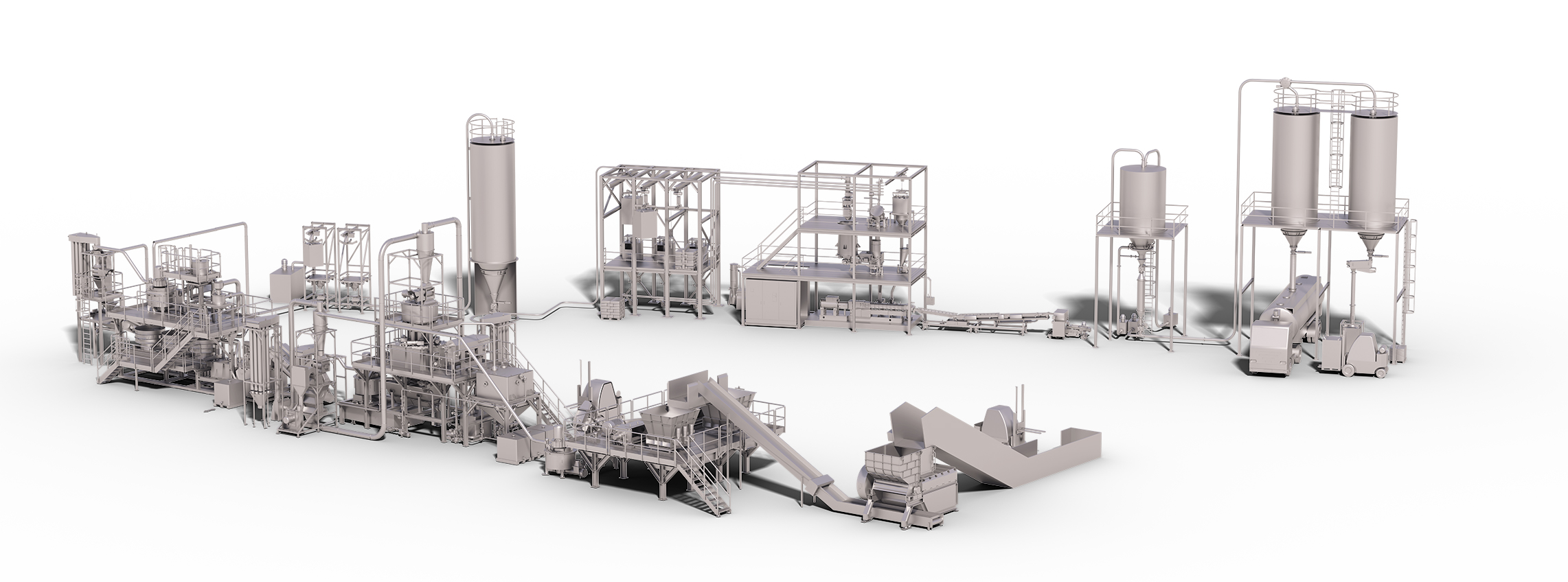
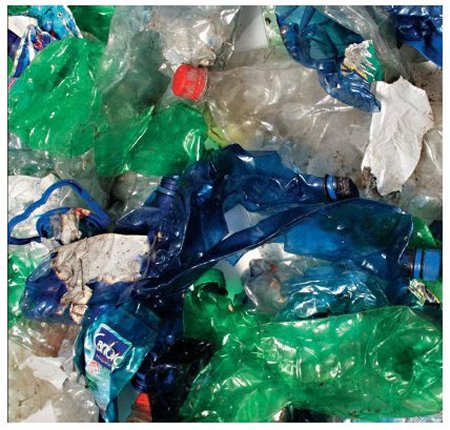
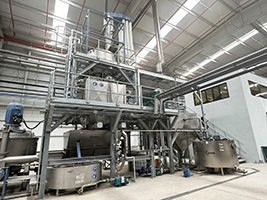
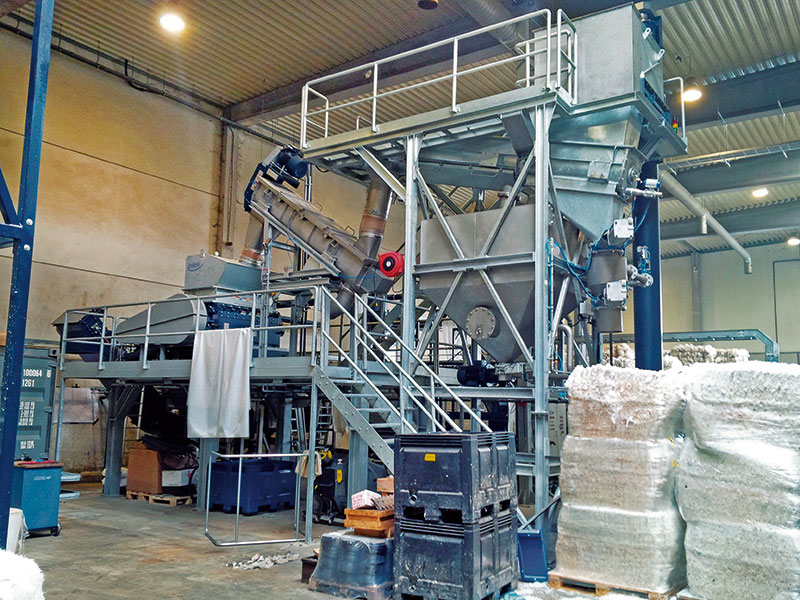
For Indian preform and plastic packaging manufacturer Magpet Polymer Pvt Ltd, Coperion and Herbold Meckesheim are collaborating technologies in construction of an entire plant for bottle-to-bottle recycling from a single source. In addition to mechanical processing of used PET bottles, the recycling system encompasses all process steps leading up to extrusion with a ZSK twin screw extruder, including pelletizing and an SSP (Solid State Polycondensation) reactor.

Détails

Magpet commissions Herbold Meckesheim with another PET bottle washing line

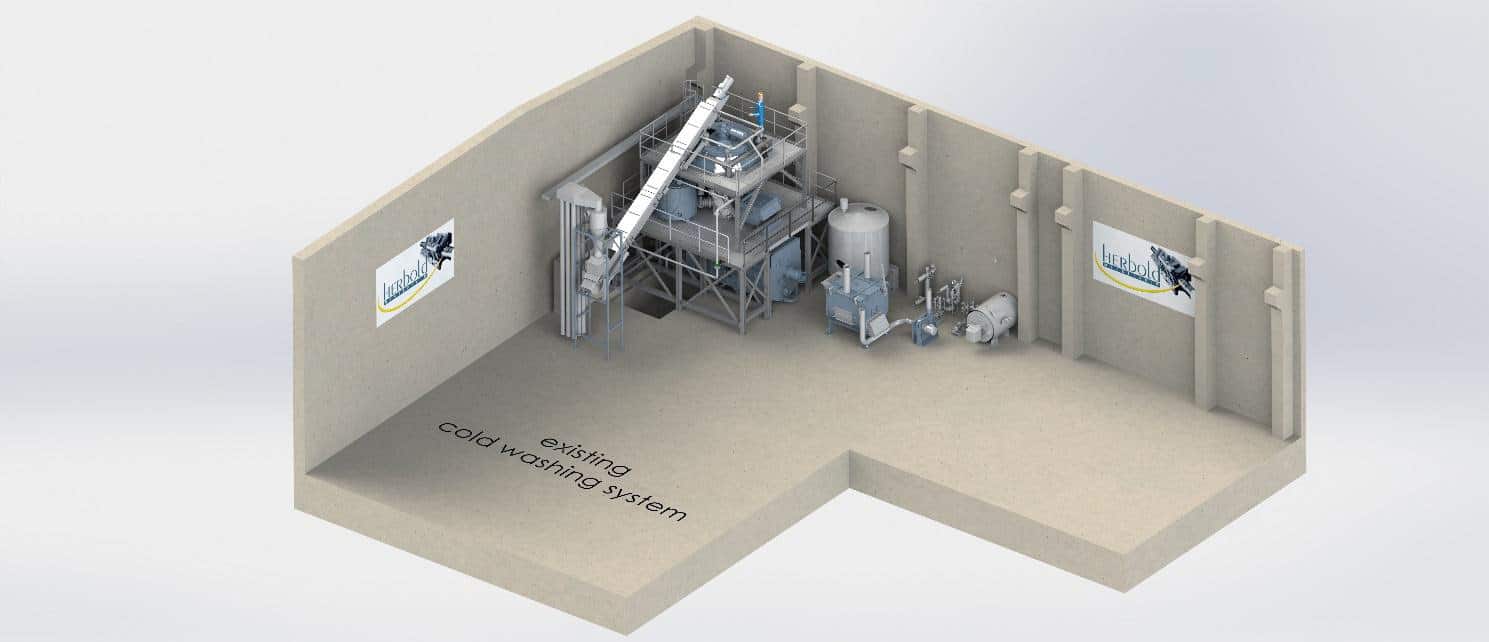
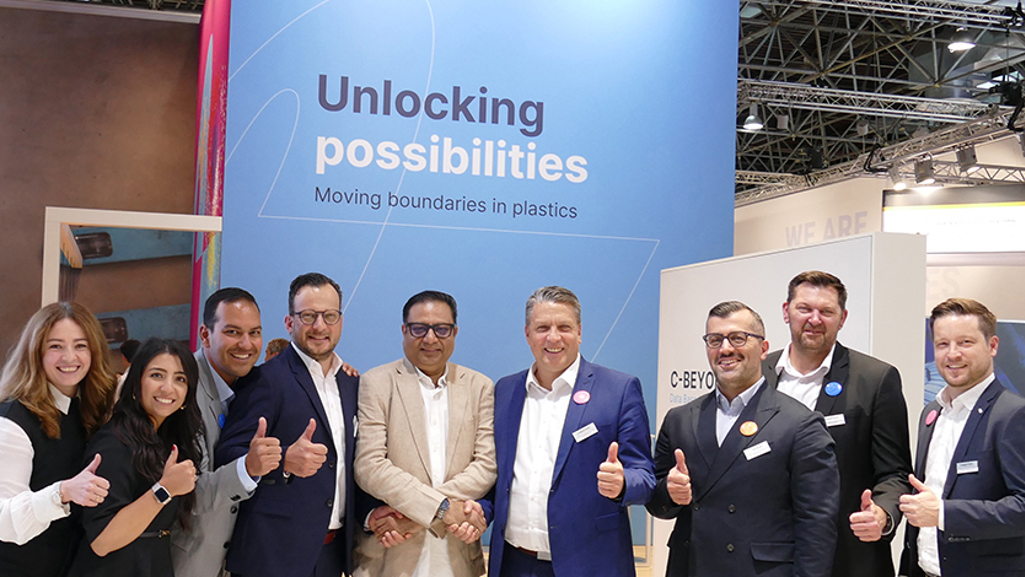
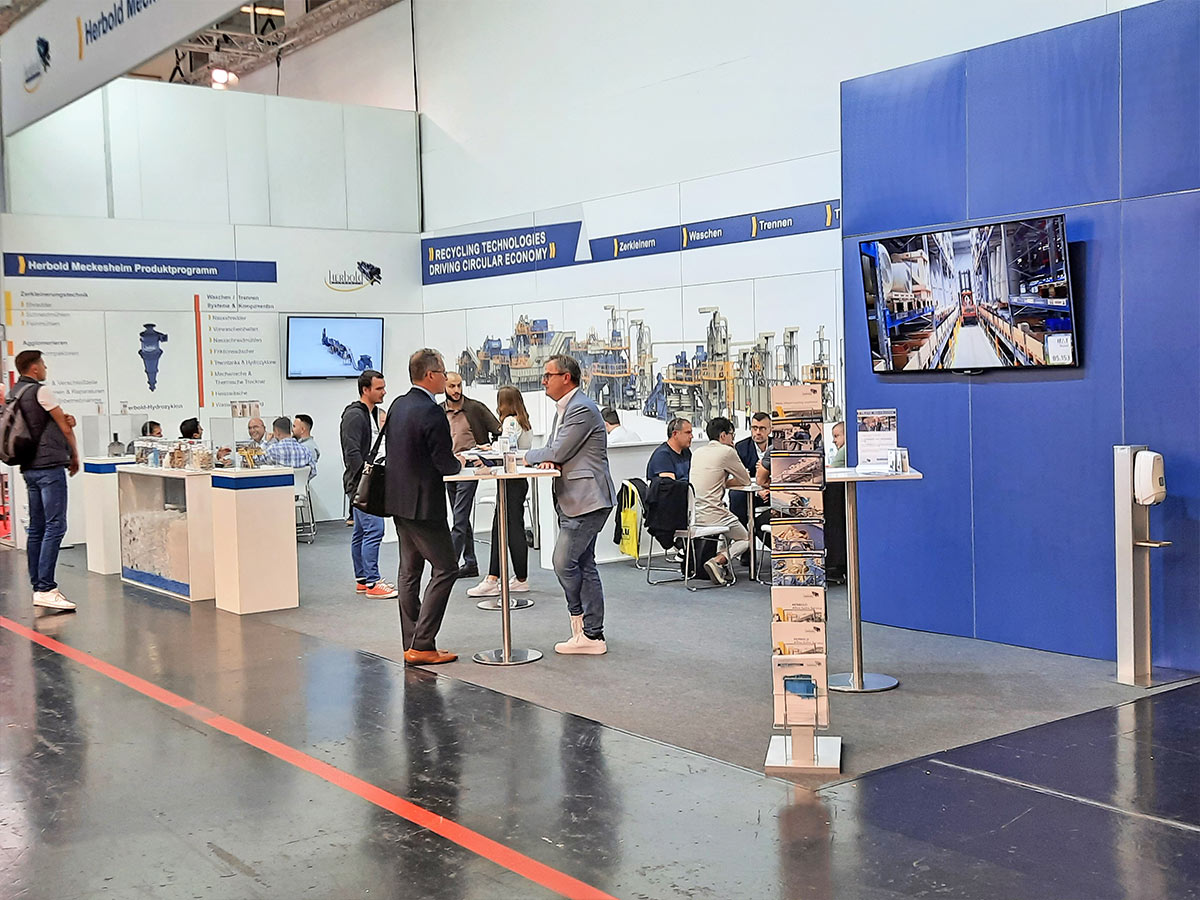
Indroneel Goho, President & CEO of Magpet Polymers Pvt Ltd, visited Herbold at its booth 9B34 at K 2025 to sign the contract. The new washing line is an extension of the bottle-to-bottle recycling plant that Coperion and Herbold Meckesheim are currently installing for Magpet in India. The granulators and an initial washing line have already successfully commenced operation. With the new washing line, Magpet will be able to increase its PET washing capacity by a factor of 2 to 2.5.

Détails

Magpet commissions Herbold Meckesheim with another PET bottle washing line

Indroneel Goho, President & CEO of Magpet Polymers Pvt Ltd, visited Herbold at its booth 9B34 at K 2025 to sign the contract. The new washing line is an extension of the bottle-to-bottle recycling plant that Coperion and Herbold Meckesheim are currently installing for Magpet in India. The granulators and an initial washing line have already successfully commenced operation. With the new washing line, Magpet will be able to increase its PET washing capacity by a factor of 2 to 2.5.

Détails

In the beginning is the shredder

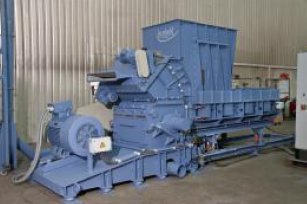
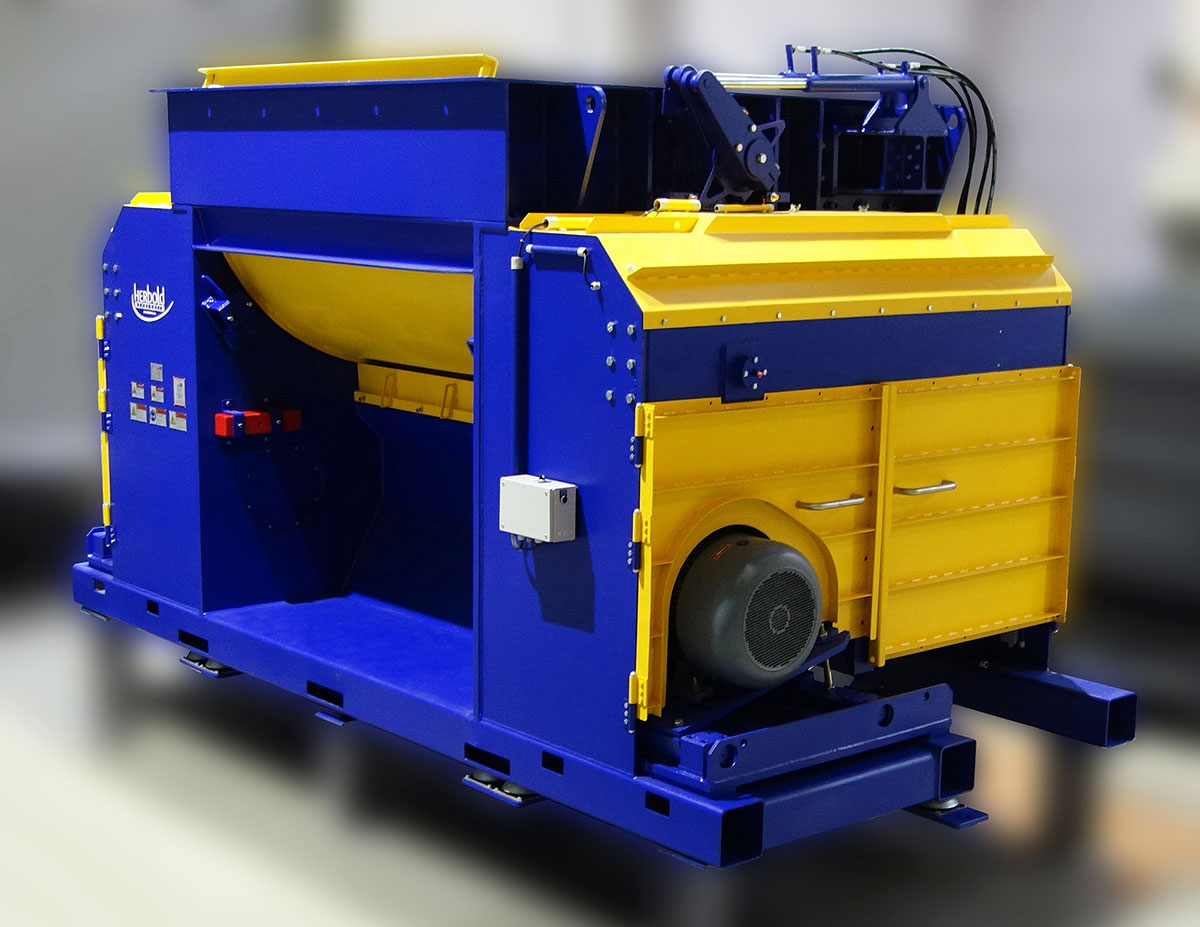
For use in plastic recycling plants, the demand for powerful shredders has grown. Especially those that can process entire bales at the beginning of the reprocessing chain. Modern washing plants in particular, such as produced by Herbold Meckesheim, require sophisticated shredder technology to be able to process high throughputs and challenging feed materials. At the same time, the machines should be largely wear-resistant and as simple as possible to operate and maintain.

Détails

Herbold washing plant gets to the heart of PP hard plastics

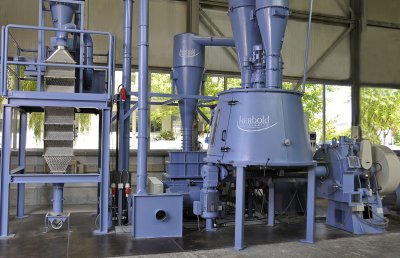
The primary production of one metric ton of polypropylene – the world’s second most widely used plastic – requires some 5.2 metric tons of raw materials and releases 1.7 metric tons of greenhouse gases. By contrast, the use of one metric ton of polypropylene from secondary raw materials, such as plastic waste, results in only around 225 kilograms of resource consumption and just under one metric ton of greenhouse gases.

Détails